
Piano voicing
- meiqi LI
- Jun 28, 2023
- 2 min read

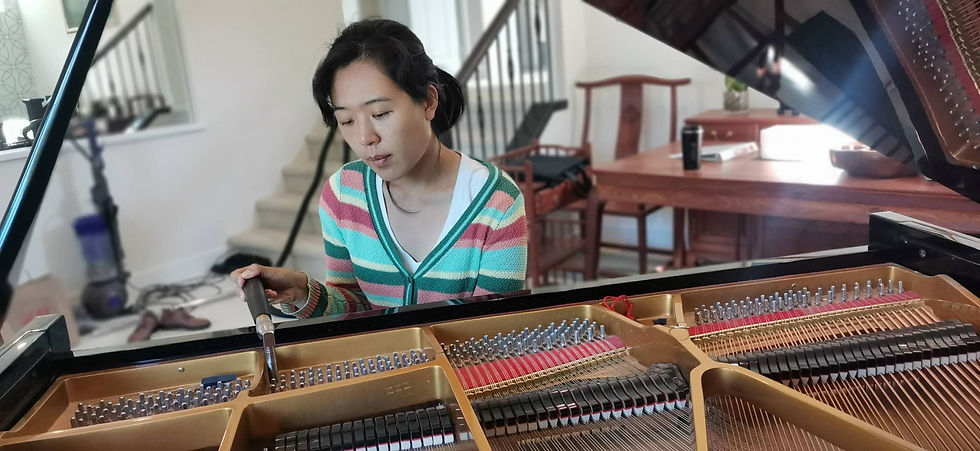
When you play piano, sometimes you feel pitches sounds so brittle, strident or dull thud. that's mean you need to ask piano tuner to do piano voicing.
Depend on what kind of tone you wish to have coming from piano, some wishes strong and bright. some wishes soft and felty with dynamic sounds. Or sometimes, you feel some keys feels weird and less satisfying.
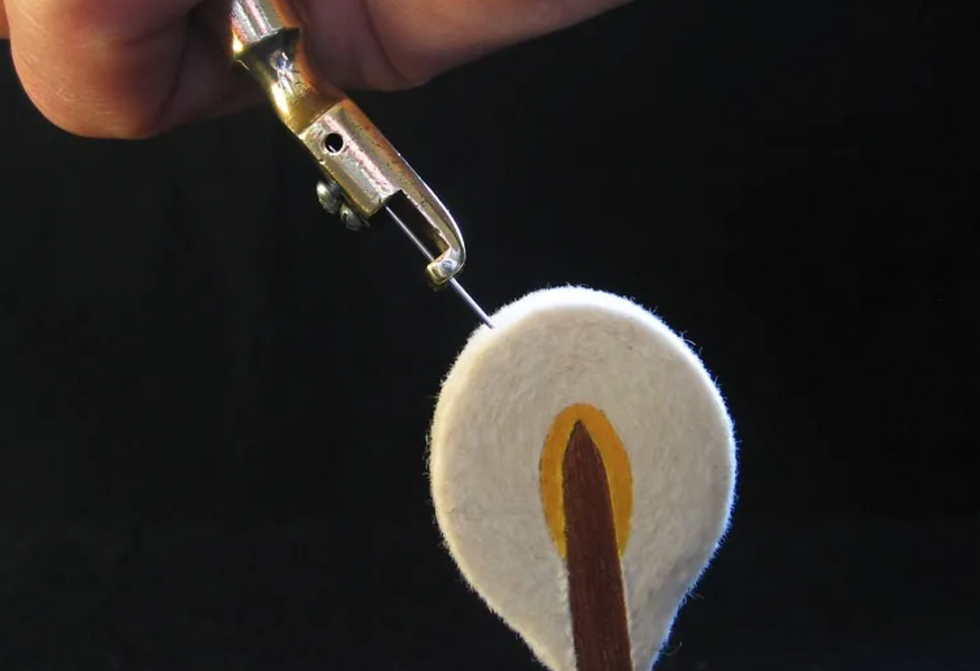
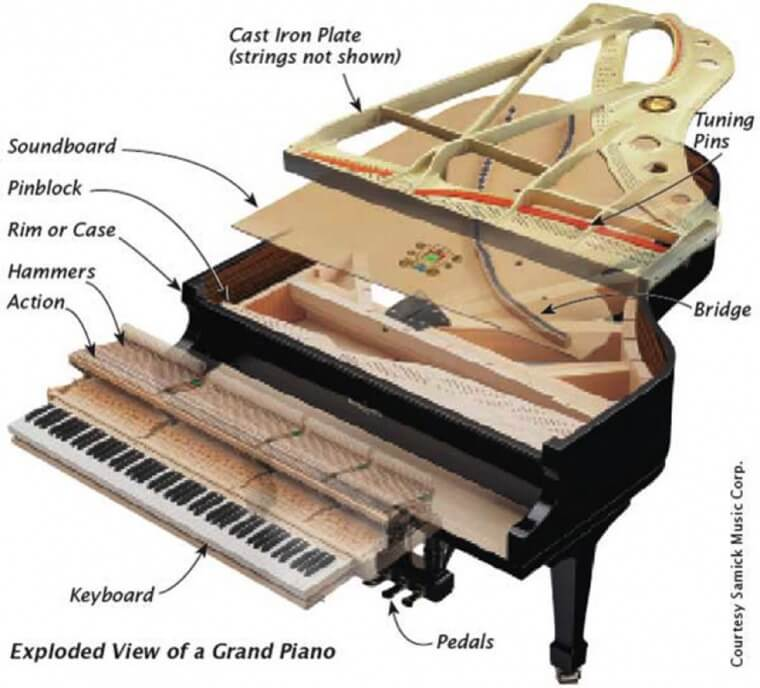
Reason: there could be many reason for causing that, when hammer is moving to strings on an angle instead of up and down straightly. Another reaoson could be that hammers are not in correction position and hammers shift from their strike position and don't hit all strings squarely. In most experience, Modern hammers consist of a wooden molding covered with several layers of compressed wool felt whose hardness is carefully controlled. The long hits with pressures will change hammeres surface density value.
Voicing methods: Mainly including grinding with sand board, acupuncture hammer, using softener and hardener, etc.

1) sand board grinding: mainly to remove the grooves at the surface of hammers caused by long-term use, and also reshape the deformed hammer.
2) needle-punched hammers: mainly change the density arrangement of wool felt to achieve the ideal versatility tunes, with gentle penetrate and relax fibers, especially for brassy power piano.

3) chemical Solutions: It mainly directly strengthens the hardness of wool with low hardness, especially for too dull, boomy or muffled sounds (used with caution)
Conculsion: Some people may ask me when to do the voicing piano and how long can it last after done? As long as the piano sound is not good, you can tune it, and there is no time limit. After the whole tone is done, professional players can play for 6-8 hours a day without getting damp, which can last for about 5 years. Non-professional players play for 2 to 4 hours a day, which can last for about 10 to 15 years.

Comments